event_note
June 23, 2026
|
Posted by :
Jim Clarke
|
0
Comments
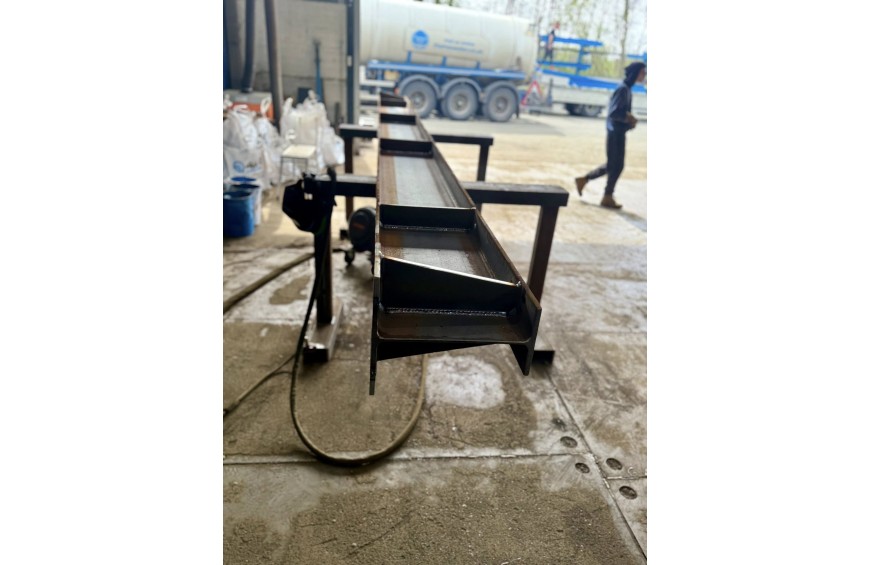
There's a version of this story that ends badly, and it goes roughly as follows. The beam arrives, the crane or HIAB is booked and on site, the crew is ready. Someone offers the beam up to the opening and it doesn't fit. The beam is 30mm too long — maybe less — and it won't drop into the bearing pockets because the...
event_note
June 08, 2026
|
Posted by :
Jim Clarke
|
0
Comments
Most homeowners know, in a general way, that some walls are load-bearing and some aren't. What fewer people understand is why that distinction matters — what it actually means for a wall to be load-bearing, where the load goes when a wall is removed, and why taking out one wall can affect parts of the building that...
event_note
June 26, 2026
|
Posted by :
Jim Clarke
|
0
Comments
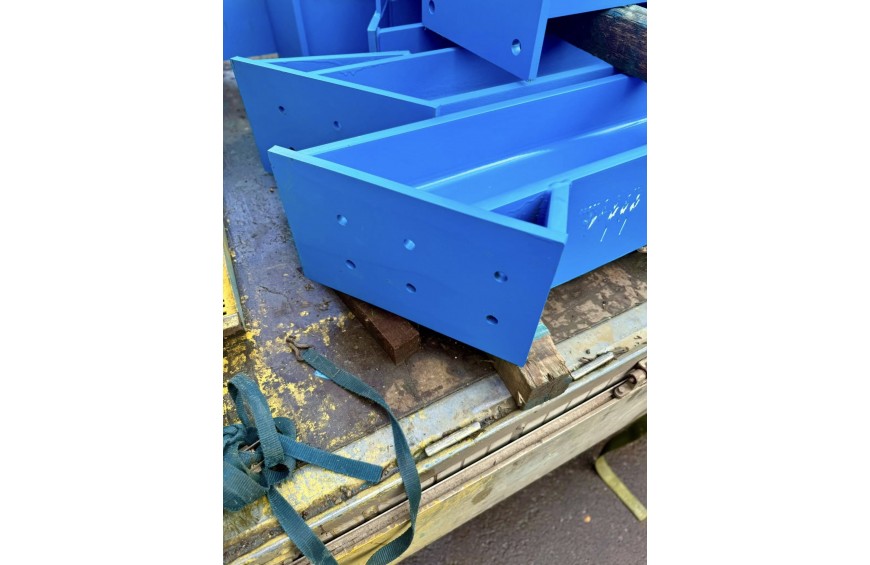
When you order structural steel, the question of surface treatment tends to come up fairly late — after the section size has been agreed, after the length has been confirmed, almost as an afterthought. That's understandable. The structural decisions feel like the important ones, and surface treatment can seem like...
event_note
June 19, 2026
|
Posted by :
Jim Clarke
|
0
Comments
Steel delivery day has a particular rhythm on a construction site. The crane or HIAB arrives, the crew is ready, everything else has been organised around this moment. Then someone checks the beam against the drawing, and something is wrong.
It might be immediately obvious — the beam is visibly shorter than it...
event_note
June 12, 2026
|
Posted by :
Jim Clarke
|
0
Comments
The budget conversation usually happens about three weeks into a renovation. The contractor calls, there's a pause, and then comes the phrase that every homeowner learns to dread: "We've opened up the wall and found something."
That something is usually structural. And in older UK housing stock — Victorian...