

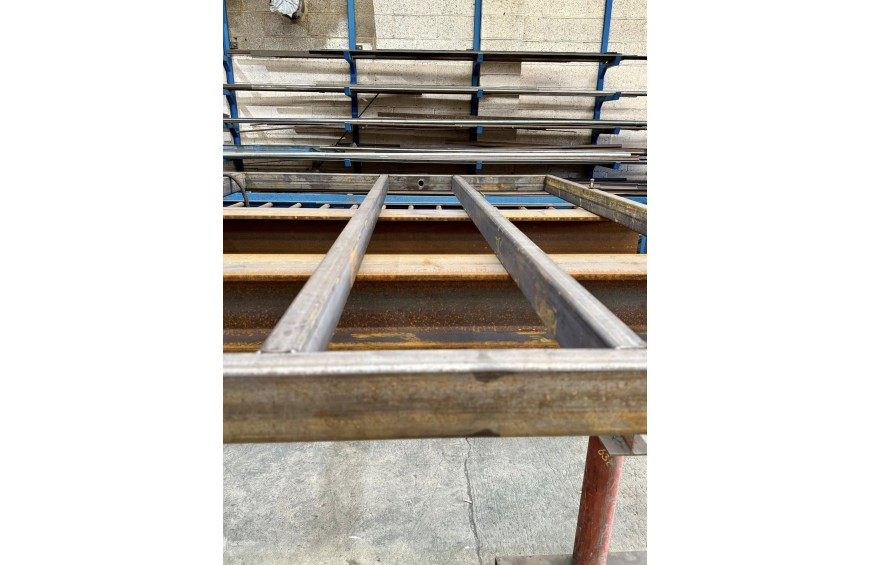
Modern home design has shifted dramatically over the past few decades. Where once every room had its own door and walls, today’s homeowners increasingly prefer bright, open spaces that connect kitchens, dining areas, and living rooms into one seamless flow. Achieving that open plan look often means removing load-bearing walls — and that’s where structural steel becomes essential.
Why Steel Is the Backbone of Open Plan Living
When you remove a wall, something else has to carry the load that wall once supported. That’s the job of a steel beam, commonly known as an RSJ (Rolled Steel Joist) or a Universal Beam (UB).
Steel is ideal for this purpose because it combines exceptional strength with a relatively compact size. A properly sized beam can support the weight of upper floors, roofs, or loft spaces while keeping the floor plan beneath completely open. Timber beams simply can’t match steel’s strength-to-size ratio, especially for long spans.
Creating Seamless Openings
One of the most common uses of structural steel in modern homes is for knock-throughs — removing the wall between a kitchen and dining room to create a larger, lighter space.
A single RSJ installed in place of the wall can carry the load safely while allowing uninterrupted sightlines from one side of the house to the other. Depending on the design, the beam can be either exposed as a design feature or hidden within the ceiling.
-
Hidden beams: These are installed higher up, so the ceiling runs straight across without a visible drop. It gives a completely seamless finish, ideal for modern minimalist interiors.
-
Exposed beams: These leave the steel visible and can become part of the décor. Painted black or grey, they work beautifully in industrial-style or contemporary homes.
Steel Columns and Frames for Larger Openings
If your open plan layout involves removing more than one wall or creating wide spans for bifold doors, you’ll likely need more than a single beam. Structural steel frames — combining beams and vertical columns — provide the rigidity and load distribution needed for larger structural openings.
This is common in extensions with large glass doors or when converting older properties with brick or blockwork walls. The steel frame ensures the building remains stable while giving you the freedom to open up vast areas for natural light and movement.
Blending Strength with Aesthetics
Steel isn’t just practical; it’s also increasingly appreciated for its aesthetic qualities. In modern architecture, exposed beams, columns, and brackets are often incorporated deliberately into the design.
A matte black or brushed steel finish pairs well with materials like concrete, glass, and wood — creating a contrast that feels strong, modern, and intentional. Even in traditional homes, a well-finished beam can complement rustic timber or brick textures.
For homeowners who prefer a softer look, plasterboard casings can conceal the steel completely, allowing the structure to disappear into the ceiling. Either way, the flexibility of steel supports your design vision.
Practical Considerations Before You Start
While steel makes open plan layouts possible, it’s not as simple as knocking down a wall and installing a beam. You’ll need:
-
Structural calculations – A qualified structural engineer must calculate the correct beam size and specification for your loads and span.
-
Building Control approval – Removing a load-bearing wall always requires notification and inspection under UK Building Regulations.
-
Proper installation – The beam must rest on suitable supports or padstones to distribute its load safely into the structure.
-
Delivery planning – Steel beams are heavy. Check access routes and lifting equipment in advance.
Your supplier can help ensure all these details are in order before delivery, reducing delays and on-site complications.
Real-World Applications
Homeowners use structural steel to achieve a variety of layouts and effects:
-
Kitchen-diner knock-throughs: The most popular application, combining two small rooms into one family space.
-
Rear extensions: Supporting wide spans over glass doors or new open living areas.
-
Loft conversions: Creating open attic rooms without central supports.
-
Garden rooms and orangeries: Using slim steel frames for large glazed walls.
In each case, the beam’s purpose is the same — to hold up what’s above, while opening up what’s below.
The Role of a Specialist Supplier
Working with a trusted supplier ensures your beam arrives correctly fabricated, sized, and coated for your project. At Pratleys, we regularly supply RSJs and UBs for residential knock-throughs, extensions, and full structural renovations.
We can liaise directly with your builder or engineer to confirm specifications, provide advice on finishes or coatings, and arrange safe, timely delivery.
Conclusion
Structural steel has become a cornerstone of modern open plan home design. It allows homeowners to remove walls, open spaces, and flood interiors with light — all without compromising safety or structure. Whether you choose to hide the beam within your ceiling or feature it proudly as part of your design, the result is the same: a stronger, more flexible home built for modern living.
Before starting your knock-through or extension, consult a structural engineer and speak with an experienced steel supplier like Pratleys. With the right guidance and materials, you can transform a confined house into a spacious, open, and beautifully connected home.

Submit comment Cancel Reply