

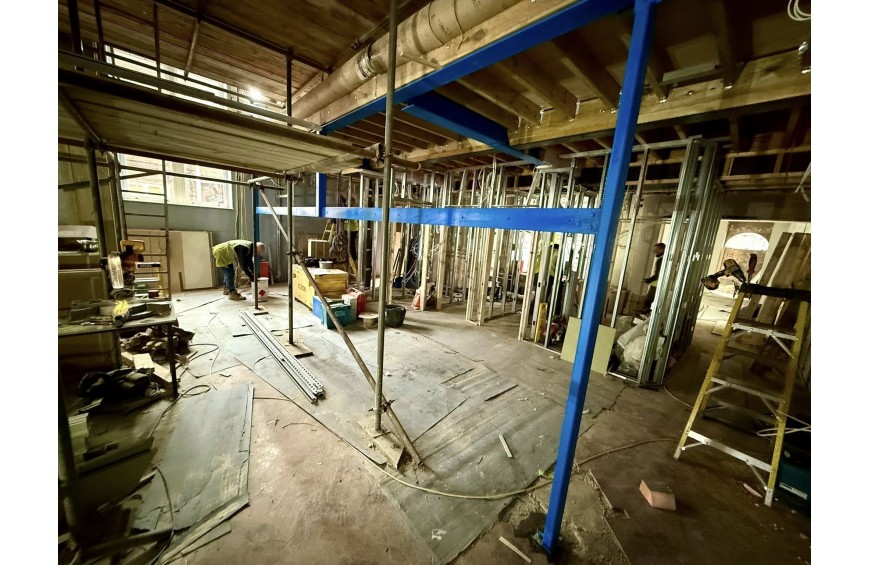
Installing a steel beam is one of the most significant structural changes you can make to a property. Whether you’re removing a load-bearing wall, adding an extension, or opening up two rooms, that beam becomes part of your home’s structural framework. Because of that, it falls squarely under UK Building Regulations — meaning you cannot install a steel beam without Building Control approval.
Here’s what you need to know about the process, the risks of skipping approval, and how to stay compliant from start to finish.
Why Building Control Approval Is Required
Building Control exists to ensure that all structural work in a property is safe, stable, and compliant with UK standards. A steel beam supports loads from above — floors, walls, or roofs — so it must be properly designed and installed.
Approval is required to verify that:
-
The beam is structurally adequate and designed by a qualified engineer.
-
The foundations, padstones, and supports can carry the new loads.
-
The beam meets fire protection and building performance standards.
Without this oversight, the safety of your property could be at risk, and you could face serious issues when selling or insuring your home.
How to Get Building Control Approval
There are two main routes to gain approval under UK law:
1. Building Notice
A Building Notice is the simpler option for smaller domestic projects. You notify your local council before work begins, and a Building Control Officer will inspect the work as it progresses.
This route suits projects like:
-
Removing a wall between two rooms
-
Installing an RSJ or UB beam
-
Creating an open-plan kitchen
You’ll need to submit:
-
A description of the work
-
Site plan or layout sketch
-
Structural engineer’s calculations for the beam
The notice must be submitted at least 48 hours before work starts.
2. Full Plans Application
For more complex or multi-storey projects, a Full Plans Application is recommended. You or your designer submit detailed drawings and structural calculations for approval before work begins.
This option gives you written confirmation that the design complies with regulations and avoids issues later in the build.
What Happens During Inspection
A Building Control Officer (BCO) will usually:
-
Check the engineer’s beam calculations.
-
Inspect the padstones or bearings before installation.
-
Verify that the beam and supports match the approved drawings.
-
Ensure fire protection (e.g., encasement in fire-rated plasterboard).
Once the work passes inspection, you’ll receive a Completion Certificate, which confirms that your project complies with the Building Regulations.
The Risks of Skipping Building Control
Some homeowners are tempted to skip Building Control approval to save time or money. This is a serious mistake that can lead to long-term problems:
-
Safety hazards: Without verified calculations, the beam may be undersized or poorly supported, risking cracks or collapse.
-
No completion certificate: You’ll have no proof of compliance when selling or remortgaging.
-
Enforcement action: Local authorities can require you to open up or redo work at your expense.
-
Insurance issues: Most home insurers will not cover damage resulting from unapproved structural work.
In short, failing to notify Building Control can cost far more than doing it properly.
Do I Need an Engineer’s Design?
Yes. Building Control will always ask for structural calculations for any steel beam. These must be prepared by a qualified structural engineer who calculates the loads, beam size, and padstone requirements.
The engineer’s report ensures:
-
The beam is strong enough for the span and load.
-
Deflection and vibration are within safe limits.
-
The structure remains stable under all conditions.
Even if you’re using an experienced builder, the design must come from an engineer for Building Control to sign off the work.
What About Internal, Non-Load-Bearing Walls?
If the wall you’re removing is non-load-bearing, you might not need a steel beam or formal structural design. However, Building Control may still want to inspect to confirm that no load is being transferred.
If there’s any doubt, it’s always safer to get professional confirmation before proceeding.
Fire Protection and Finishing Requirements
Once a beam is installed, Building Control will check that it’s protected against fire.
In most homes, this means:
-
Encasing the beam in two layers of fire-rated plasterboard
-
Sealing joints to maintain the fire barrier
-
Finishing to a smooth surface ready for decoration
Exposed steel beams are rarely approved in domestic interiors unless specific fireproofing systems are used.
When Should I Contact Building Control?
You should contact your local Building Control department before any structural work begins. Most local councils allow you to apply online, and private Building Control companies can often process approvals more quickly.
Typical steps:
-
Get your structural calculations from an engineer.
-
Submit your Building Notice or Full Plans Application.
-
Wait for confirmation (usually 1–2 working days for a notice).
-
Begin work once approved and inspections are arranged.
Working With Professionals
A compliant steel beam installation involves several key parties:
-
Homeowner: Submits the Building Notice or application.
-
Structural Engineer: Provides beam design and calculations.
-
Builder: Installs the beam according to approved plans.
-
Building Control: Inspects and certifies the work.
-
Steel Supplier (like Pratleys): Provides certified RSJs, UBs, or UCs to the engineer’s specifications.
Coordinating these roles ensures your project meets all safety and legal standards.
How Pratleys Can Help
At Pratleys, we supply RSJs, UBs, and UCs for domestic and commercial projects throughout the UK. Our team can:
-
Work directly from your engineer’s drawings
-
Cut and drill beams to precise lengths
-
Provide certified steel that meets BS EN 10025 standards
-
Deliver quickly and safely to your site
We also offer guidance on the approval process and can liaise with your engineer or builder to ensure your beam specification meets Building Control requirements.
In Summary
You cannot legally install a steel beam without Building Control approval in the UK. Every load-bearing alteration must be properly designed, inspected, and certified. While the process may seem bureaucratic, it protects your safety, ensures compliance, and preserves your property’s value.
Before removing any wall or installing a beam, contact your structural engineer and local Building Control — then work with a reputable supplier like Pratleys to source and deliver the right beam for the job.

Submit comment Cancel Reply